Dance in Ephesus
Dance is one of the oldest ways for humans to express themselves through rhythm and movement. In Ephesus, dance has been an integral part of social life, from religious ceremonies to festivities; blending with music and rituals to create both individual and collective forms of expression. Each step carries a legacy that connects the past with the present.
Dance in Ephesus is a magical experience that bridges thousands of years of history to the present day. The rhythms emerging from the depths of history come alive again in the enchanting atmosphere of Ephesus. Dance events, carrying traces of ancient rituals and infused with modern creativity, invite visitors to embark on a journey through time while encouraging the creation of new stories.
The Deep-Rooted Legacy of Dance in Ephesus
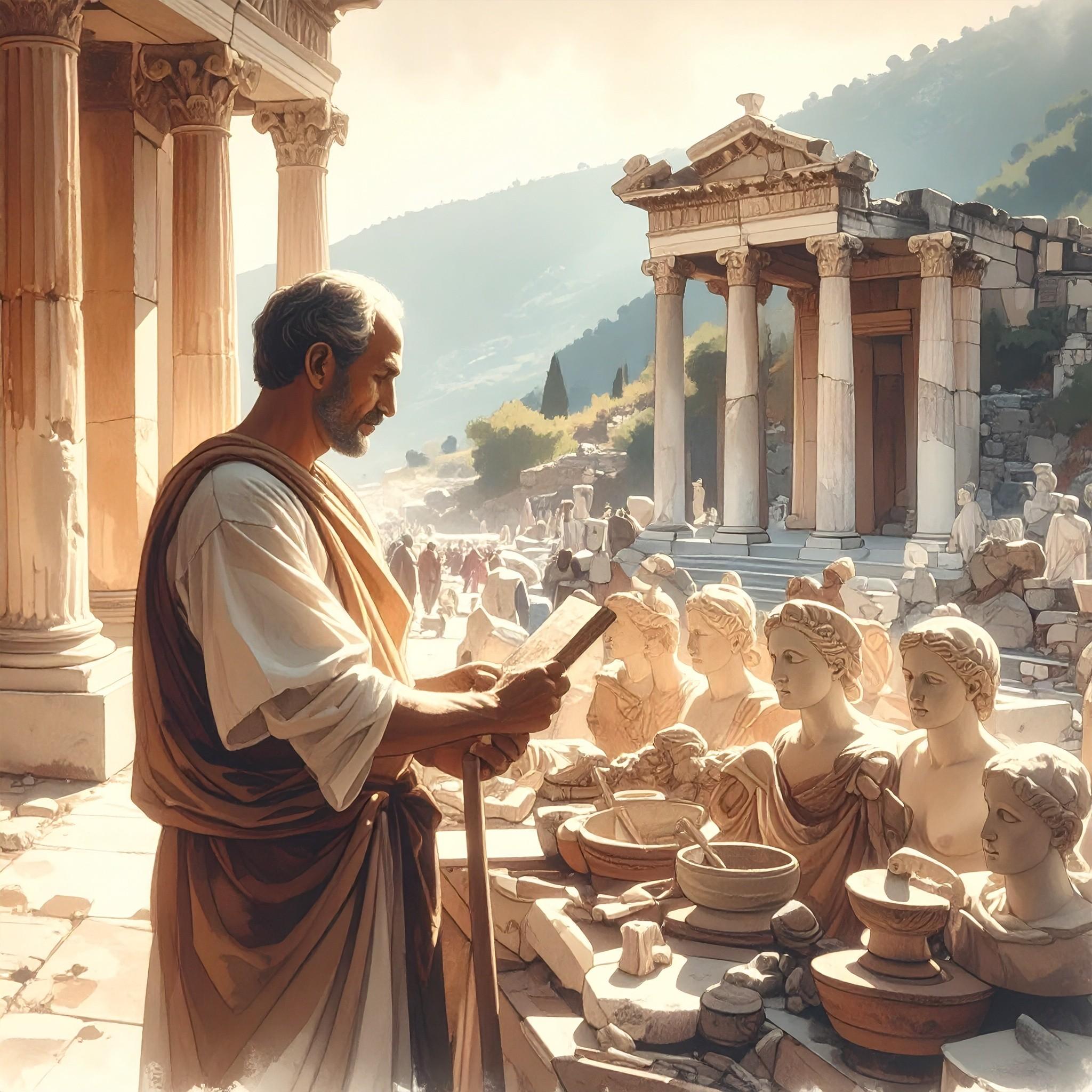
Dance has been a powerful tool of expression in Ephesus, going beyond merely being a form of entertainment to encompass societal and religious meanings. In Roman-era Ephesus, dance was often an integral part of religious and cultural festivals. For instance, during the annual Artemisia festival, priests and the public would perform exuberant processions and ritual dances to honor the goddess Artemis. These performances held in Ephesus's magnificent theater demonstrated how dance was skillfully integrated into both sacred ceremonies and everyday life. This dance legacy in ancient Ephesus was a symbol of cultural identity and social unity; it reinforced beliefs, transmitted stories across generations, and brought those who visited the city together in a shared rhythm.
From Traditional to Modern: The Transformation of Dance in Ephesus
The rich historical heritage of Ephesus continues to inspire today's dance projects. Steps that once echoed in temples and squares in ancient times are now reinterpreted through modern performing arts. At dance events in Ephesus, where tradition meets the modern, motifs of old ritual dances are blended with contemporary choreography. The sacred dances once performed in honor of Artemis now come to life in modern dance theaters or open-air performances, reminding spectators of the past while offering an innovative artistic experience. Thus, dance in Ephesus creates works of high cultural value by bringing together the elegance of tradition and the energy of modern creativity. The spirit of the ancient world comes alive through today's dancers; whether at a performance in front of the Library of Celsus or a ballet on the ancient stage of the Great Theatre, you witness a 2,000-year-old heritage being applauded by new generations.
Related
(You might also like)