Agriculture in Ephesus
Agriculture, as one of the oldest values and pursuits in human history, shapes the nutrition, economy, and cultural structure of societies. In Ephesus, agriculture became the lifeline of the city, thanks to the fertile lands and the opportunities offered by rivers; shaping every aspect of life from wheat to vineyards, olive groves to gardens.
Ephesus and its surroundings (Küçük Menderes plain, Selçuk–Ayasuluk line) have been the heart of agricultural production from ancient times to the present day, thanks to their fertile alluvial soils and Mediterranean climate.
Antiquity: The Olive–Grape–Grain Trio
Olive and olive oil, which coincide with the "fertility" symbol of the Artemis cult, were the primary products; oil was used both in the kitchen and in rituals. In addition, viticulture was common; wine was a product for the domestic market as well as for export via the port. Wheat and barley were staple foods for daily bread and porridge; the plain was allocated to grain, while the slopes were dedicated to vineyards and olives.
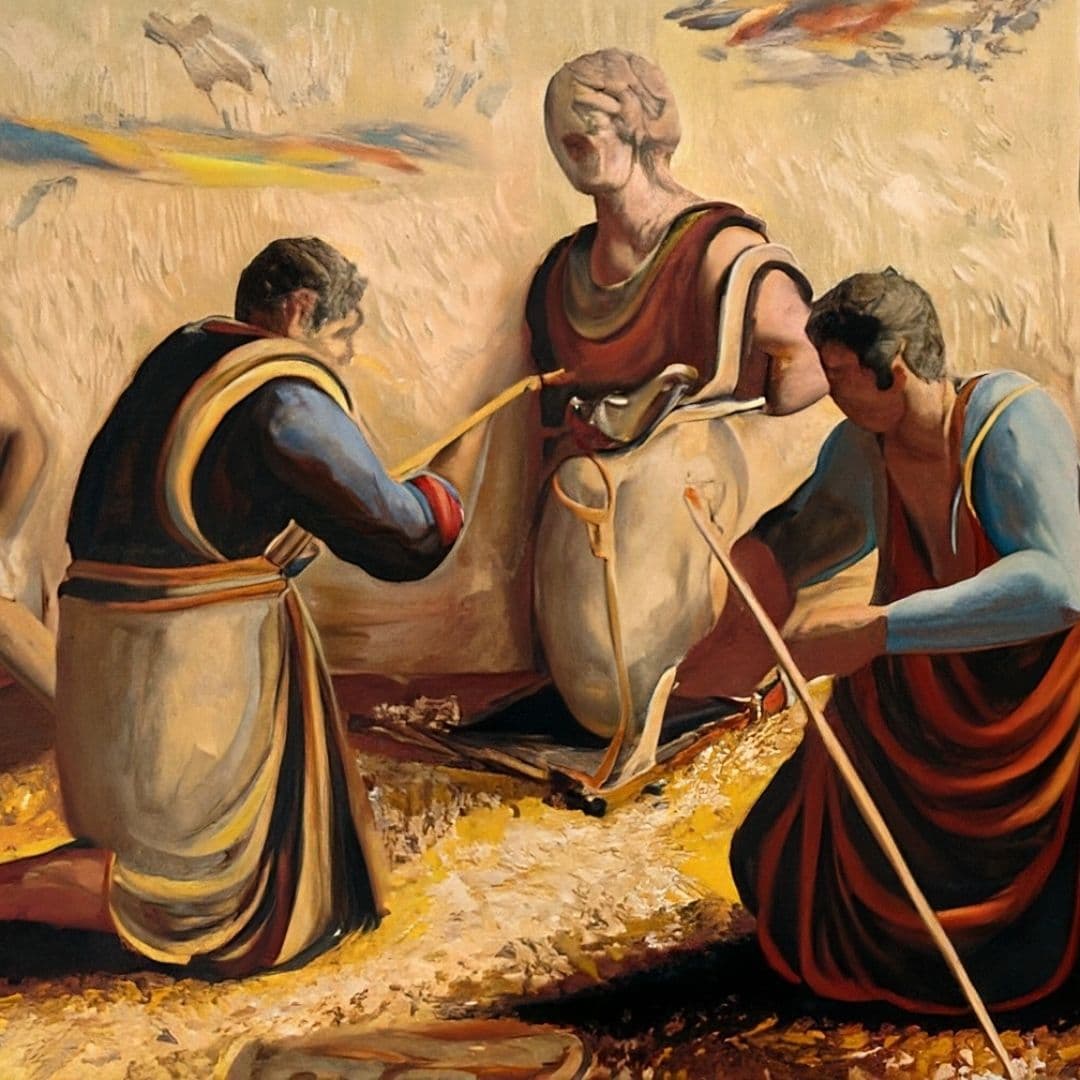
On large estates, slave labor and the free tenant/sharecropper (colonus) system; on small plots, family labor. For seasonal work at harvest time, itinerant laborers were employed. Irrigation and infrastructure were supported by canals from the Küçük Menderes, weirs, and simple terracing.
Medieval–Ottoman Period: Continuity and Diversification
While the olive–grape–grain trio continued, figs, sesame, legumes, and spices/medicinal herbs (thyme, sage) became widespread. On waqf (charitable endowment) lands and farms, the labor of farmhands and sharecroppers came to the fore; vineyard and olive grove operations were based on family labor.
Present Day: Diverse Market Goods and Seasonal Labor
In the plain: cotton, corn, vegetables (tomatoes, peppers, squash), peanuts, and citrus pockets form the foundation of agriculture. On the slopes and terraces: olive groves, vineyards; also figs and pomegranates are cultivated. Beekeeping (thanks to the maquis–pine cover) and aromatic plants (thyme, lavender trials) provide additional income. With the climate crisis, water management, drip irrigation, drought-resistant varieties, and enhancing soil organic matter are important items on the agenda.
Related
(You might also like)